

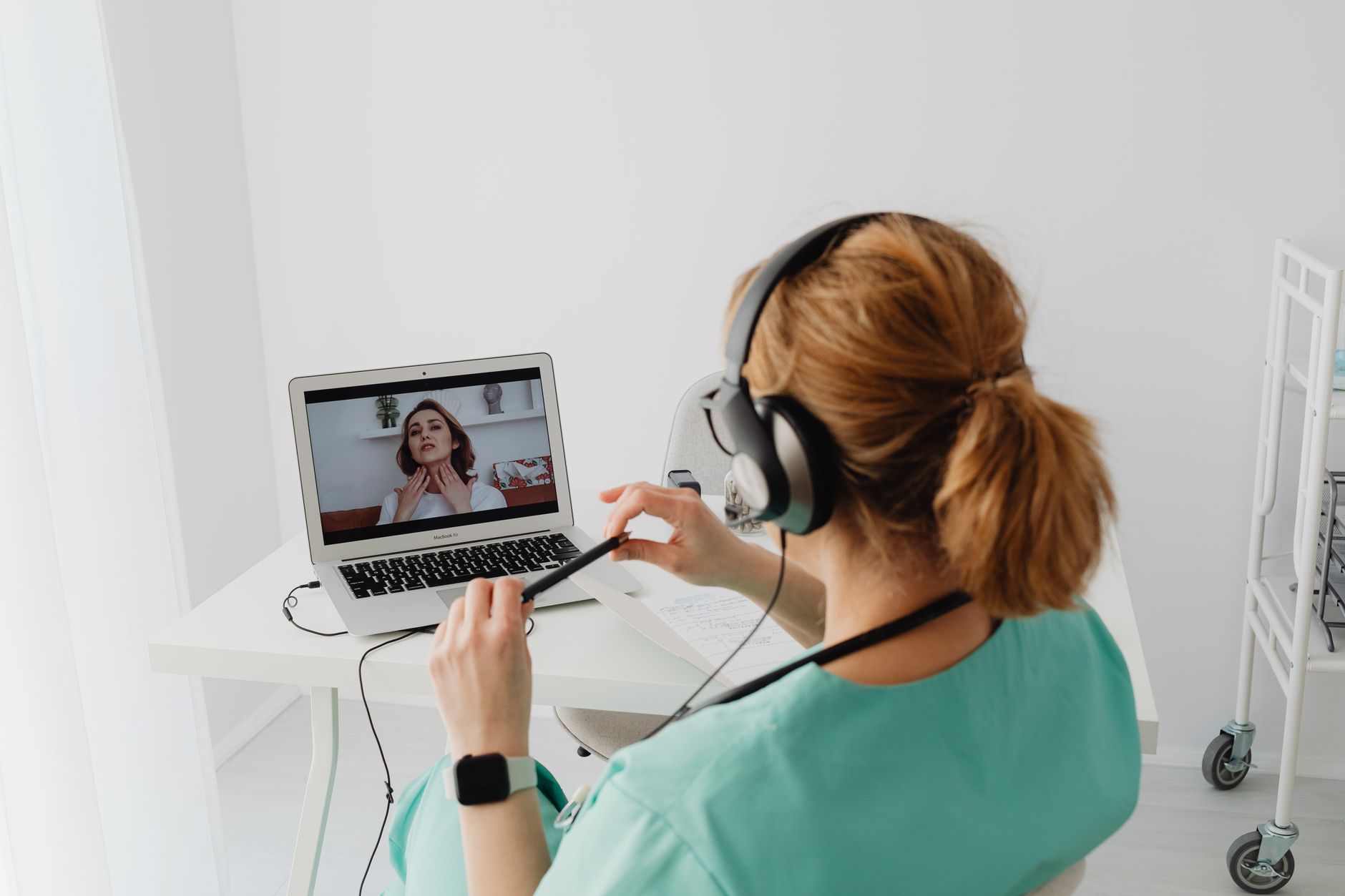

The moment a UK patient boards their flight home, most clinics breathe a sigh of relief — but that is precisely when the relationship either deepens or dissolves. Cross-border aftercare is not a courtesy add-on; it is the operational backbone that determines whether your clinic earns a five-star review, a referral, or a complaint lodged with a UK consumer body. Getting it right is a genuine competitive advantage.
Why Cross-Border Aftercare Defines Your Clinic’s Reputation With UK Patients
Cross-border aftercare directly shapes how UK patients describe your clinic to friends, family and online communities — and word-of-mouth remains the single most powerful driver of medical tourism bookings. UK patients who feel abandoned after returning home frequently share negative experiences on forums such as Trustpilot, RealSelf and Facebook groups dedicated to medical travel. A structured aftercare programme signals that your commitment extends far beyond the procedure itself.
It is also worth understanding the regulatory context your patients return to. The NHS will typically manage emergencies and complications once a patient is back in the UK, but NHS clinicians are not obligated to follow your post-operative protocols. A robust handover process — one that gives UK GPs and nurses clear, English-language documentation — makes it significantly more likely that your treatment plan will be respected and continued.
What Does a Structured Cross-Border Aftercare Pathway Look Like?
A structured aftercare pathway is a documented sequence of touchpoints, responsibilities and escalation routes that begins on discharge and continues until the patient is fully recovered. It is not a single follow-up call; it is a system. The most effective pathways share several common elements:
- A discharge pack in plain English: medication names (including generic equivalents available in the UK), wound care instructions, red-flag symptoms and a direct contact number for your clinical team.
- Scheduled remote check-ins: video consultations at 48 hours, one week and four weeks post-procedure, timed to suit UK time zones.
- GP liaison documentation: a clinical summary letter addressed to the patient’s UK GP, formatted to NHS referral conventions, covering procedure details, implants used, suture materials and any post-operative medications prescribed.
- A named patient coordinator: a single point of contact within your clinic who the patient — and any UK healthcare professional — can reach directly.
- Clear escalation protocols: written guidance on when the patient should attend a UK urgent care centre or A&E, and what information to bring.
Clinics that formalise these elements into a reproducible workflow find that their complication-related complaints drop markedly, and that patients are far more confident booking in the first place. If you are still developing your broader patient journey, How Overseas Clinics Build a Winning UK Patient Journey provides a useful strategic framework to build from.
How Should Clinics Handle Remote Consultations After Patients Return Home?
Remote consultations should be structured, documented and conducted by a clinician — not a patient coordinator — whenever there is a clinical question. The distinction matters to UK patients, who are accustomed to regulated healthcare and will notice if a non-clinical team member attempts to advise on wound healing or medication side effects. Video is strongly preferable to phone or messaging for post-operative reviews: it allows the clinician to observe the treatment site, assess swelling or bruising, and provide a level of reassurance that text simply cannot match.
Practically, consider the following:
- Use a GDPR-compliant video platform. UK patients have data protection expectations rooted in their domestic regulations, and they are increasingly aware of them.
- Keep appointment windows flexible across UK time zones (GMT and BST), particularly on evenings and weekends when patients are free from work commitments.
- Record or summarise each remote consultation in the patient’s file and share a written summary with the patient afterwards.
- Flag any concerning findings to your on-site clinical lead immediately and document the decision trail.
The ability to respond swiftly to incoming patient concerns is also heavily influenced by your communication infrastructure. WhatsApp AI Follow-Up: Win UK Patient Bookings Fast explores how automated messaging tools can handle routine check-ins at scale, freeing your clinical team for the consultations that genuinely require human expertise.
Bridging the Gap Between Your Clinic and UK GPs
One of the most overlooked failure points in cross-border aftercare is the handover to UK primary care. Many UK GPs report receiving patients who have undergone procedures abroad with no documentation whatsoever, placing the burden of investigation on an already stretched health system and creating anxiety for the patient. A well-written GP liaison letter eliminates most of this friction.
Your GP liaison letter should include:
- The procedure performed, the date and the operating clinician’s full name and qualifications.
- Details of any implants, prosthetics or foreign materials, including batch numbers where applicable.
- The post-operative care plan, including medications, dressings and activity restrictions.
- Your clinic’s contact details and a named clinical point of contact.
- Any follow-up appointments already scheduled (including remote consultations).
Providing this documentation proactively — ideally handed to the patient before discharge and emailed directly to them in PDF format — positions your clinic as a professional peer to UK healthcare providers rather than a holiday add-on. This kind of credentialed, transparent approach complements the trust signals discussed in JCI Accreditation: Turning Quality Into a UK Patient Magnet, where internationally recognised standards are used to signal clinical rigour to prospective patients.
Using Technology to Scale Aftercare Without Losing the Personal Touch
Scaling a personalised aftercare programme across a growing volume of UK patients requires intelligent systems, not simply more staff. AI-assisted communication tools can automate the routine touchpoints — appointment reminders, symptom-check questionnaires, satisfaction surveys — while routing anything that requires clinical judgement to the appropriate team member instantly.
The key is to design your technology stack so that automation handles volume and speed, while human clinicians handle nuance and urgency. A patient who messages at 11pm UK time to say their wound looks inflamed should receive an automated acknowledgement immediately and a clinician callback within a clearly defined window — not silence until your Turkish office opens the next morning. For clinics weighing up how to build this capability, AI Chatbots vs Live Agents: Converting UK Patient Enquiries sets out a practical framework for deciding where automation adds value and where it erodes trust.
Research published via PubMed (NCBI) consistently supports the value of structured follow-up in improving patient outcomes following surgical procedures — a body of evidence you can reference when training your team or communicating your aftercare philosophy to prospective patients.
Turning Aftercare Into a Marketing Asset
The most commercially astute clinics recognise that aftercare is not just an operational obligation — it is a marketing differentiator. UK patients who feel genuinely supported after returning home are the ones who leave detailed, positive reviews, refer friends and return for further procedures. These patients become a self-sustaining source of new business.
Document your aftercare programme explicitly on your website, in your consultation process and in your treatment packages. When UK patients compare clinics, the depth of post-procedure support is a significant decision factor — yet many clinics relegate it to a footnote in their brochure. Treat it as a headline feature. Consider creating a short video from your clinical coordinator explaining what patients can expect after they leave, and share this during the consultation phase. For guidance on using video content effectively, Video Content Marketing to Win UK Patients for Clinics offers actionable direction.
The Joint Commission International also publishes standards relating to continuity of care for international patients, which can serve as a useful benchmark when auditing your own aftercare processes.
Key Takeaways
- Aftercare is a retention and reputation tool: UK patients who feel supported post-procedure become loyal advocates — those who feel abandoned become vocal critics.
- GP liaison documentation is non-negotiable: providing English-language clinical summaries bridges the gap between your clinic and the UK primary care system and demonstrates professional credibility.
- Technology scales volume; clinicians handle nuance: AI-assisted communication can manage routine follow-up efficiently, but clinical concerns must always reach a qualified professional quickly.
- Make aftercare visible during the sales process: explicitly showcasing your post-procedure support programme is a conversion driver, not merely a patient welfare measure.
Frequently Asked Questions
What should a cross-border aftercare programme include for UK patients?
A comprehensive aftercare programme should include a discharge pack in plain English, scheduled remote video consultations, a GP liaison letter formatted for UK primary care, a named patient coordinator and clear escalation guidance for emergencies. These elements together ensure continuity of care and give UK patients confidence that they are supported regardless of distance.
How do we handle urgent complications when a UK patient is already home?
Your aftercare documentation should provide patients with explicit written guidance on when to attend a UK urgent care centre or A&E, and exactly what clinical information to bring or present. Simultaneously, your clinic should maintain a direct clinical contact line and ensure your team can respond to urgent messages within a clearly defined window, even outside standard office hours. Having a named clinician available for rapid remote assessment is strongly advisable.
Are we legally responsible for UK patient aftercare once they have returned home?
Legal liability in cross-border healthcare is complex and jurisdiction-dependent; you should seek specialist legal advice relevant to your country’s regulations. That said, providing thorough aftercare documentation and access to your clinical team significantly reduces the likelihood of adverse outcomes — and the reputational and legal risks that accompany them. Clinics operating to internationally recognised standards, such as JCI accreditation, are generally better placed to demonstrate due diligence.
How can we use aftercare to generate more referrals from UK patients?
UK patients who receive proactive, structured aftercare are considerably more likely to share positive experiences in online communities, review platforms and personal networks. Asking satisfied patients for a review or testimonial at the end of their aftercare journey — when their experience is fresh and positive — is the most effective moment to invite this. Embedding a simple referral prompt into your final follow-up communication can systematically convert happy patients into a new patient pipeline.
If you are ready to build a cross-border aftercare programme that genuinely sets your clinic apart, request your free UK patient acquisition audit from the CareNova team — a no-obligation consultation to identify exactly where your aftercare pathway can be strengthened to win and retain more UK patients.