


The moment a UK patient boards their return flight, the most commercially decisive phase of their journey with your clinic begins. Clinics that invest heavily in acquiring and treating international patients — yet neglect what happens once those patients are home — are leaving trust, referrals and repeat revenue on the table. A structured, proactive aftercare programme is not just good medicine; it is one of the strongest competitive differentiators available to any overseas clinic targeting the UK market.
Why Aftercare for UK Patients Is a Strategic Priority, Not an Afterthought
Aftercare for UK patients directly determines whether your clinic earns five-star reviews, word-of-mouth referrals and repeat bookings — or faces chargebacks, complaints and damaging social media posts. The UK medical tourism patient is, by nature, an informed consumer. Before travelling, they researched extensively, compared multiple clinics and made a significant financial commitment. Once home, they enter a vulnerable window: physically recovering, emotionally processing the experience, and looking for reassurance that the clinic they chose still cares about them.
Many clinics assume that a well-executed procedure is enough. In practice, the patient’s perception of quality is shaped as much by the weeks after treatment as by the treatment itself. A single unanswered question about wound care, swelling or medication can spiral into anxiety, a negative review or, in rare cases, a complaint to UK consumer bodies. Getting aftercare right protects both the patient and the clinic’s commercial reputation.
Understanding what UK patients look for before choosing a clinic abroad reveals that post-treatment support consistently ranks among their top concerns — which means your aftercare infrastructure is also a pre-booking sales asset.
What Does a Robust Post-Return Aftercare System Look Like?
A robust post-return aftercare system combines structured clinical check-ins, accessible communication channels, and clear escalation pathways — all designed around the UK patient’s time zone, language and NHS environment. It should not rely on the patient chasing the clinic; the clinic must be proactive.
Structured Check-In Schedules
Design a check-in timeline before the patient leaves your premises. A typical framework might include a message within 24 hours of the patient landing, a clinical review call or video consultation at 72 hours, a formal follow-up at one week, and a final review at four to six weeks depending on the procedure. Documenting this schedule in writing — and sharing it with the patient before they travel — signals professionalism and sets mutual expectations.
Automated messaging tools can handle reminder triggers, but a human clinician or patient coordinator should conduct the substantive check-ins. Patients who feel they are speaking to a real, knowledgeable person are far more likely to report concerns early, when they are still manageable.
Accessible Communication Channels
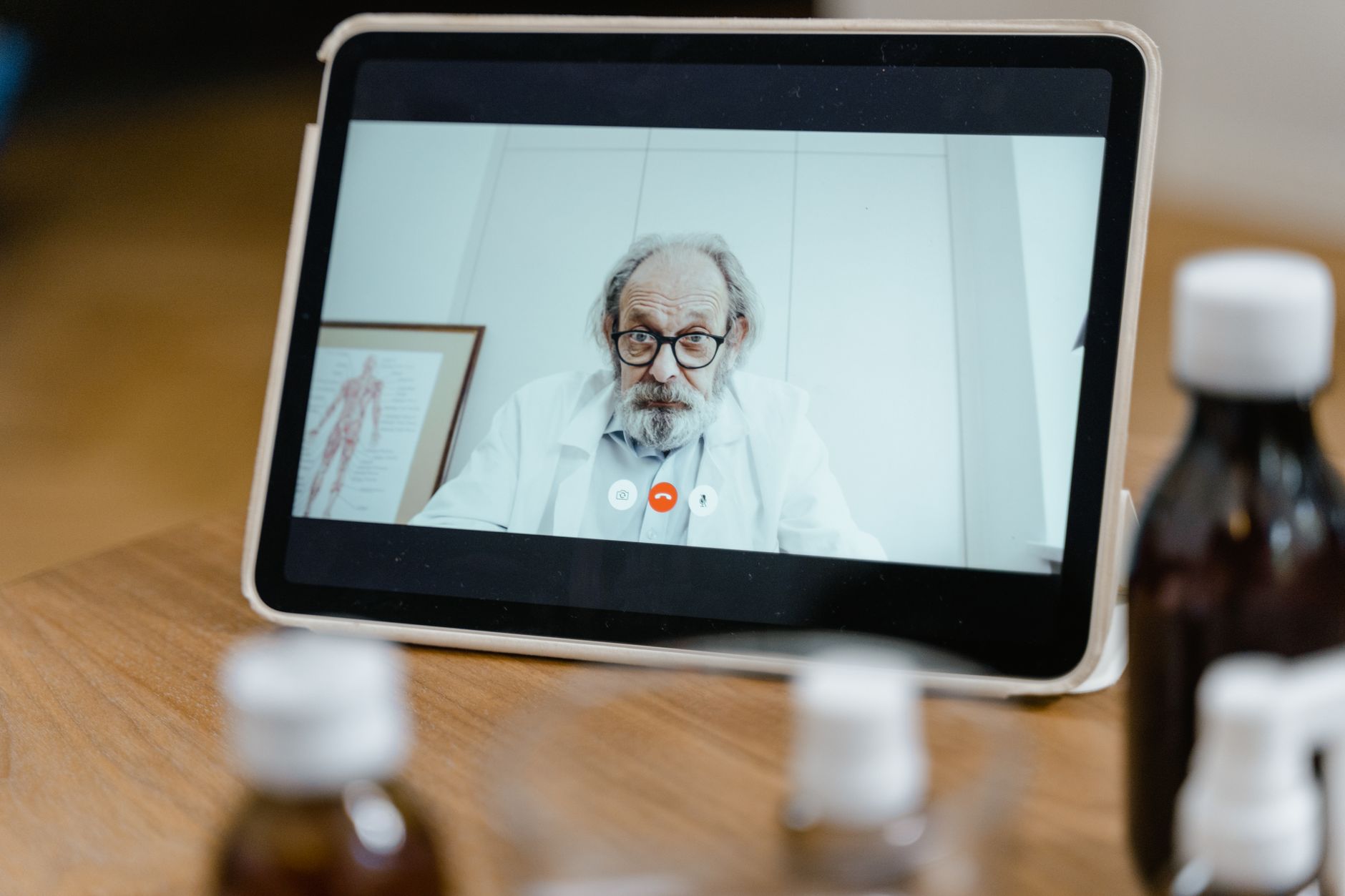
UK patients overwhelmingly prefer WhatsApp for quick queries and email for formal correspondence. Video consultation platforms such as Zoom or a dedicated telehealth tool are essential for visual assessments — a coordinator cannot evaluate wound healing from a text description. Ensure that your aftercare team is reachable during UK business hours (08:00–18:00 GMT/BST), not only during your local clinic hours. For clinics based in time zones ahead of the UK, this is straightforward; for those behind, it requires planning. You can read more about structuring your team around this in our guide to time zone strategy for converting UK patient enquiries.
How Should Clinics Liaise With the UK’s NHS During Patient Recovery?
Clinics should provide UK patients with a comprehensive, GP-ready clinical summary so that NHS practitioners can continue care without gaps or confusion. This is one of the most overlooked yet highest-impact aftercare actions an overseas clinic can take.
When a UK patient returns home and visits their GP for a post-operative check, the GP will have no record of the overseas procedure unless the clinic provides documentation. A professionally formatted discharge summary — including the procedure performed, materials or implants used, medications prescribed, and recommended follow-up actions — allows the NHS to integrate seamlessly into the patient’s ongoing care. This also protects the patient: in the event of complications, the NHS team can respond appropriately rather than treating an unknown intervention.
The NHS strongly encourages patients who have received treatment abroad to share their medical records with their GP. Clinics that proactively produce this documentation — in English, clearly formatted and signed by the treating clinician — are perceived as genuinely professional by both patients and UK healthcare providers.
What to Include in a GP-Ready Discharge Summary
- Patient name, date of birth and procedure date
- Name and qualifications of the treating clinician
- Full description of the procedure and technique used
- Implant or device details (brand, size, serial number where applicable)
- Medications prescribed, dosages and duration
- Normal expected recovery milestones
- Warning signs that should prompt urgent medical attention
- Clinic contact details for clinical queries
Managing Complications and Escalation Pathways Across Borders
No clinic can guarantee a complication-free outcome for every patient. What separates excellent clinics from average ones is how they respond when something unexpected occurs. UK patients who experience a complication at home need a clear, calm escalation pathway — not a void of communication or, worse, a defensive response.
Establish a documented protocol for complication management before it is ever needed. This should specify who the patient contacts first (their dedicated patient coordinator), what information the coordinator collects, how quickly a clinician reviews the situation, and under what circumstances the patient is advised to seek UK emergency care. Ensure that your protocol acknowledges the role of the NHS: in genuine emergencies, the patient must call 999 or attend A&E without delay.
For non-emergency complications requiring revision or additional treatment, be transparent about your policy. Will the clinic cover revision costs? Under what conditions? Patients who received clear written terms before travelling — including revision and refund policies — are far less likely to escalate to dispute resolution or consumer protection bodies if something goes wrong. Accreditation bodies such as Joint Commission International set detailed standards for patient rights and complication management that provide a useful framework for any clinic seeking to formalise its processes.
Linking your aftercare protocols into a broader patient journey strategy is essential. If you have not yet mapped every stage of your UK patient’s experience, our guide to the UK patient acquisition funnel provides a practical starting point.
Using Technology to Deliver Aftercare at Scale
As your UK patient volume grows, manually managing aftercare for every patient becomes operationally unsustainable. Technology — deployed thoughtfully — allows clinics to maintain a high-touch feel while serving a larger patient base without proportionally increasing staff costs.
AI-assisted follow-up systems can send timely check-in prompts, collect standardised symptom data via structured forms, and flag responses that require urgent clinical review. This means your clinical team spends their time on patients who genuinely need attention, rather than chasing routine confirmations. The same systems can gather post-treatment satisfaction data, prompt patients to leave reviews at the optimal moment, and trigger referral requests at the point of peak satisfaction.
For a deeper look at how automation supports UK patient conversion and retention across every touchpoint, explore AI lead follow-up for UK patient enquiries. The same logic that applies to converting enquiries applies to retaining patients post-treatment: speed, consistency and personalisation are what differentiate you.
It is also worth considering the long-term financial case. A UK patient who receives outstanding aftercare is significantly more likely to return for a second procedure, refer friends and family, and leave public reviews that drive organic acquisition. Understanding the lifetime value versus acquisition cost of UK patients makes the business case for investing in aftercare infrastructure immediately apparent.
Training Your Aftercare Team to Serve UK Patients Well
The clinical competence of your aftercare team is assumed. What is often underdeveloped is cultural and communicative competence specific to UK patients. UK patients tend to be direct, expect honesty over reassurance, and are accustomed to a certain standard of professional communication from NHS interactions. They may also be unfamiliar with normal recovery variations for procedures that are uncommon in the UK.
Train your aftercare coordinators to:
- Communicate in plain, clear British English — avoid overly clinical jargon or informal language
- Acknowledge concerns empathetically before offering clinical reassurance
- Understand common NHS terminology so they can bridge any communication gaps when a patient mentions their GP’s advice
- Never dismiss a patient’s concern, however minor it may appear clinically
- Document every interaction in the patient’s record for continuity and medico-legal protection
Research consistently highlights that patient-reported experience is shaped more by communication quality than by clinical outcomes alone. The National Center for Biotechnology Information (NCBI) library contains extensive peer-reviewed evidence on the relationship between post-operative communication and patient satisfaction in international healthcare settings.
Turning Aftercare Into a Referral Engine
A UK patient who feels genuinely supported through their recovery is not merely a satisfied customer — they are an active marketing asset. Word-of-mouth referral remains the highest-converting source of new UK medical tourism enquiries, and it is almost entirely driven by the aftercare experience rather than the procedure itself.
Build deliberate referral prompts into your aftercare timeline. At the four-to-six-week mark, when most patients are seeing their final results and feeling well, send a personal message from the treating clinician expressing genuine interest in their progress. Include a simple, frictionless way for them to share their experience — whether that is a Trustpilot link, a Google review prompt, or an invitation to join a patient community. Pair this with a referral incentive if your market and regulatory environment allow.
Aftercare is not where the patient journey ends — it is where the next patient’s journey begins.
Key Takeaways
- A structured, proactive aftercare programme — including scheduled check-ins, accessible communication channels and GP-ready documentation — is essential for retaining UK patient trust and generating referrals.
- Providing a comprehensive English-language discharge summary enables seamless NHS integration and significantly reduces patient anxiety after returning home.
- Clear complication escalation pathways, communicated before the patient travels, protect both the patient and the clinic’s reputation in the event of unexpected outcomes.
- Technology can scale aftercare delivery without sacrificing the personal touch that UK patients expect, turning post-treatment care into a sustainable competitive advantage.
Frequently Asked Questions
How soon after a UK patient returns home should a clinic make contact?
The first check-in should happen within 24 hours of the patient’s expected return — ideally triggered automatically so it is never missed. This immediate contact reassures the patient that the clinic remains engaged and creates an early opportunity to identify any concerns before they escalate. Subsequent formal check-ins should follow a structured schedule based on the procedure type.
What should a clinic include in a discharge summary for a UK patient’s GP?
A GP-ready discharge summary should include the patient’s details, the treating clinician’s name and qualifications, a full description of the procedure, any implants or devices used, prescribed medications and dosages, expected recovery milestones, and warning signs that require urgent attention. It should be written in plain English, signed by the clinician, and provided to the patient before they leave the clinic — not sent weeks later on request.
How should a clinic handle a complication reported by a UK patient at home?
The clinic should have a documented escalation protocol in place before the patient travels. On receiving a complication report, the patient coordinator should gather key information promptly and escalate to a clinician for assessment — ideally via a video consultation so the clinician can make a visual assessment. If there is any risk to patient safety, the patient must be directed to NHS emergency services immediately, without delay.
Can aftercare be automated without losing the personal touch UK patients expect?
Yes — automation should handle routine scheduling, reminder messages and data collection, while human clinicians and coordinators conduct the substantive check-in conversations. This hybrid model allows clinics to serve a growing volume of UK patients consistently while ensuring that each patient still has meaningful personal contact at critical recovery milestones. The key is to ensure automated messages are warm in tone and personalised with the patient’s name and procedure details.
If you would like an expert review of your current aftercare infrastructure and how it measures up against UK patient expectations, request your free UK patient acquisition audit from CareNova — a no-obligation assessment tailored to your clinic’s specific procedures and target market.