


The moment a UK patient submits an enquiry, a clock starts ticking — and the clinics that win bookings are those that communicate with precision, warmth and consistency at every stage of the journey. Poor communication is the single most preventable reason that well-qualified leads go cold, choose a competitor, or abandon the idea of travelling abroad for treatment altogether. If your clinic is serious about building a predictable UK patient pipeline, communication strategy is not optional — it is the pipeline.
Why UK Patients Have Unusually High Communication Expectations
UK patients arrive with expectations shaped by the National Health Service, which — whatever its waiting-time challenges — sets a high baseline for structured, jargon-free, patient-centred communication. When they look abroad, they are not lowering those expectations; they are hoping a private clinic abroad will exceed them. Understanding this mindset is the first step to meeting it.
UK patients are also notably research-driven. The majority will have compared several clinics, read reviews, watched video content and consulted patient forums before they ever make contact. By the time they send an enquiry, they are testing your clinic as much as they are asking for information. A slow, vague or templated reply signals that the relationship will be transactional rather than supportive — and that is enough to lose them.
Finally, there is a practical trust gap. Booking medical treatment overseas requires patients to hand over significant financial and physical trust to a team they cannot easily walk in and meet. Every communication touchpoint is an opportunity either to close that gap or widen it. Clinics that treat communication as a secondary concern almost always find that their conversion rates reflect that neglect.
What Does Effective First-Response Communication Look Like?
Effective first-response communication means replying within the first hour of an enquiry arriving, in clear British English, with a personalised message that acknowledges the specific treatment the patient mentioned. Speed is non-negotiable: a significant share of UK patients will move on to the next clinic on their list if they have not received a substantive reply within a few hours. A well-crafted automated acknowledgement that sets expectations — “our patient coordinator will be in touch within the hour” — buys goodwill while your team prepares a fuller response.
That fuller response should do several things at once. It should confirm that the patient’s enquiry has been read and understood, offer a brief outline of the next steps, and introduce the named person who will be guiding them. Anonymity kills trust. Patients want to know they are talking to a human being with a name, a role and the expertise to help them. Directing them to the right mix of live chat and AI support at this stage can dramatically improve response quality without overwhelming your coordination team.
Avoid front-loading the first reply with pricing, disclaimers or generic brochure content. Instead, ask two or three focused questions that show clinical interest in their specific situation. This positions your clinic as medically thoughtful rather than commercially opportunistic — a distinction that matters enormously to UK patients.
Structuring Communication Across the Pre-Treatment Phase
Once the initial exchange has established rapport, the pre-treatment phase begins — and this is where many clinics lose momentum. The patient has expressed interest but has not committed. This window, which can stretch from days to several weeks, requires a structured cadence of communication that keeps the clinic front of mind without feeling pushy.
Consultation and Assessment
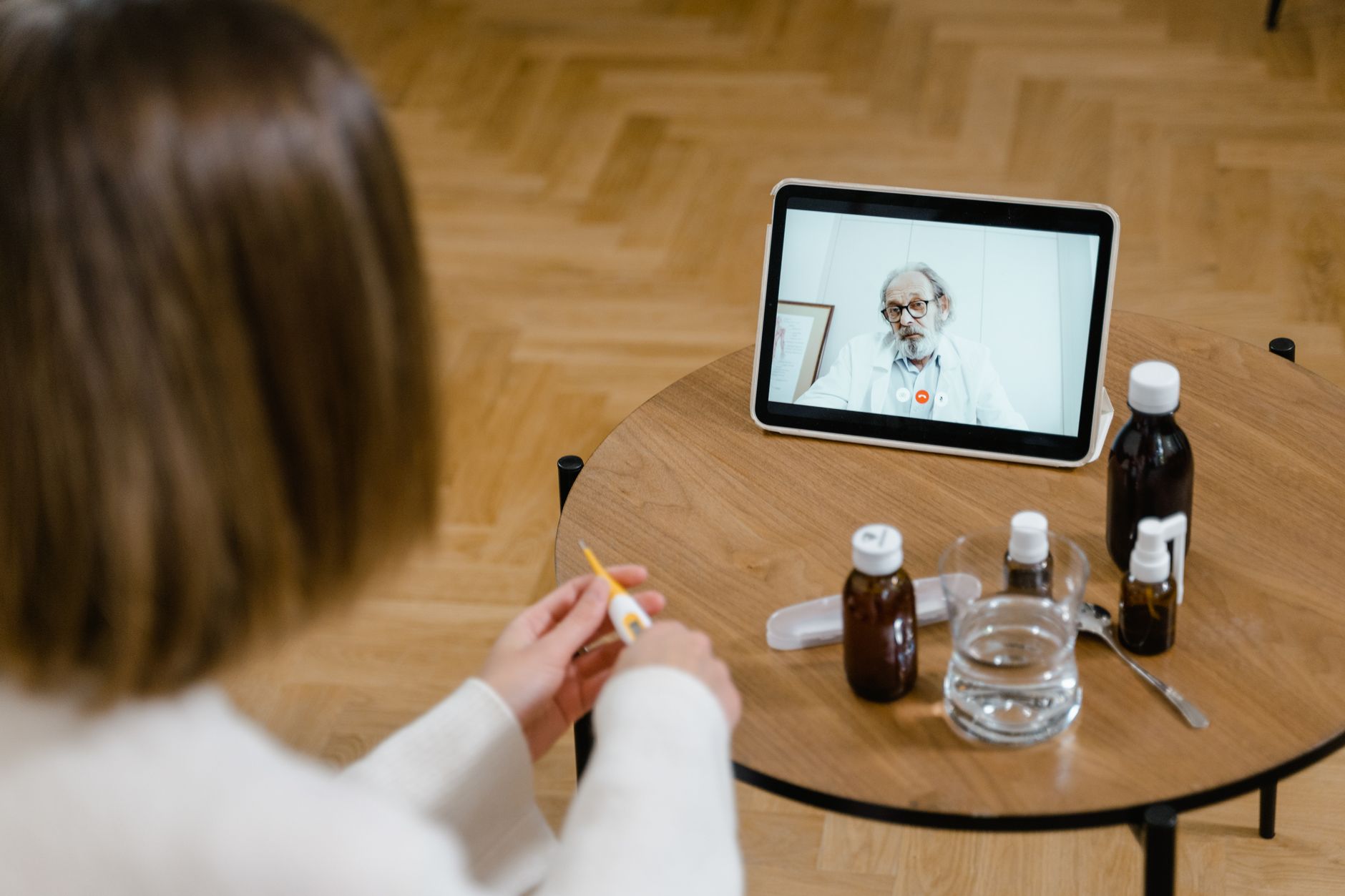
Virtual consultations have become the standard gateway for UK patients, and running them well is an art. Your consultant or coordinator should arrive prepared with the patient’s history, speak in plain English, and avoid clinical shorthand. Patients should leave the consultation feeling informed, not overwhelmed. If medical imaging or records need to be reviewed before a treatment plan can be confirmed, communicate that clearly — with a specific timeline, not an open-ended promise.
This is also the right moment to share accreditation credentials, surgeon profiles and before-and-after case studies relevant to the patient’s treatment. Linking to your JCI accreditation as a credibility asset within a follow-up email, rather than burying it in a PDF brochure, makes it easy for patients to verify and share with family members who may be helping them decide.
Pricing and Treatment Packages
Pricing communication deserves its own discipline. UK patients are highly sensitive to ambiguity around costs, and any sense that the final bill might differ from the quoted figure creates anxiety that can abort a booking. Presenting costs as all-inclusive treatment packages with clear line items removes that anxiety and signals professionalism. Be explicit about what is and is not included — accommodation, transfers, pre-operative tests, follow-up appointments — and provide the quote in British pounds wherever possible.
How Should Clinics Communicate During the Patient’s Travel and Treatment Period?
During the travel and treatment period, communication should shift from persuasive to operational: the patient has already decided to come, so your job now is to make every logistical moment feel effortless and reassuring. This is the phase that generates word-of-mouth referrals, positive reviews and repeat visits — all of which depend entirely on how the patient feels, not just what treatment they receive.
Send a detailed pre-arrival pack at least a week before departure. This should include airport transfer arrangements, clinic address and contact numbers, accommodation details, pre-operative instructions, and the name and mobile number of their dedicated coordinator. UK patients are accustomed to digital communication, so a WhatsApp message or a clearly formatted email works better than a printed letter that may not arrive in time.
On the day of arrival, a brief check-in message — “We look forward to welcoming you tomorrow at 9:00 am, your driver will be waiting in arrivals with a name board” — does more for patient confidence than any marketing material could. Throughout the treatment period, keep a family contact informed (with the patient’s permission) at key milestones. Many UK patients travelling alone find this especially reassuring, and it demonstrates a level of care that competitors who focus only on clinical outcomes rarely match.
For a fuller picture of how these stages connect, the end-to-end UK patient journey offers a useful framework for auditing where your clinic’s communication currently falls short.
Post-Treatment Communication: The Stage Most Clinics Underinvest In
Post-treatment communication is the most underinvested stage in cross-border healthcare — and the most consequential for long-term clinic reputation. Once a UK patient returns home, they face a real challenge: if something concerns them, who do they call? Their NHS GP may have limited familiarity with the procedure they have had. Their friends and family cannot advise clinically. If your clinic does not fill that gap proactively, anxiety fills it instead.
Establish a clear aftercare protocol before the patient leaves the clinic. This should include scheduled check-in calls or messages at defined intervals — typically 48 hours post-return, one week, and one month — along with clear guidance on symptoms that warrant contacting the clinic urgently versus those that are expected and normal. Pair this with a shared communication channel, such as a monitored WhatsApp number or a patient portal, so patients know exactly where to go.
Written recovery guidance should be provided in plain English, reviewed by a native speaker if your clinic’s primary language is not English. Medical instructions that read as translated rather than originally written in English create unnecessary confusion at a vulnerable moment. This attention to post-care detail is also one of the strongest drivers of the positive reviews that future UK patients rely on — managing your review presence on platforms like Trustpilot and RealSelf begins with the experience your current patients have after they go home.
External clinical guidance on safe post-operative care for patients travelling internationally is available from bodies such as the World Health Organization and the NHS, whose patient resources provide a useful benchmark for the level of clarity your own aftercare materials should aspire to.
Automating Communication Without Losing the Human Touch
Scaling UK patient communication does not mean choosing between personalisation and efficiency. The clinics that grow most effectively use automation for routine, time-sensitive touchpoints — appointment reminders, document requests, post-arrival check-ins — while reserving human interaction for the moments that genuinely require empathy and clinical judgement.
Well-designed AI follow-up sequences can maintain contact with leads across the weeks-long pre-booking window without requiring a coordinator to manually chase every enquiry. They can also ensure that no post-treatment check-in is missed because of staff holidays or time-zone gaps. The key is that automated messages must be personalised by name, treatment type and stage — generic automation that ignores what the patient has actually told you is worse than silence.
For clinics evaluating how to build this infrastructure, it is worth understanding the relative merits of in-house AI tooling versus agency support before committing to a particular approach. The right solution depends on your clinic’s scale, technical capacity and existing coordination team structure.
Professional standards for cross-border medical communication are increasingly well-documented. The Joint Commission International provides guidance on patient communication standards that clinics can benchmark against when designing their own protocols.
Key Takeaways
- Speed and personalisation at first contact are the most important factors in whether a UK patient enquiry converts — a slow or generic reply is often the end of the relationship.
- Pricing and treatment packaging must be communicated with complete transparency, ideally in British pounds and with clear line-item breakdowns, to overcome the cost-trust gap UK patients bring to overseas bookings.
- Post-treatment communication is the most underinvested phase and the one most directly linked to reviews, referrals and long-term clinic reputation among UK patients.
- Automation and human interaction are not opposites — the most effective clinics use AI to handle routine cadences and reserve coordinator time for high-value, emotionally sensitive moments.
Frequently Asked Questions
How quickly should a clinic respond to a UK patient enquiry?
Ideally within the first hour, and certainly within the same business day. UK patients typically submit enquiries to multiple clinics simultaneously, so speed of first response has a direct impact on conversion rates. An automated acknowledgement sent immediately, followed by a personalised reply from a named coordinator, is the most effective two-step approach.
What communication channels do UK patients prefer when dealing with overseas clinics?
The majority of UK patients are comfortable using WhatsApp, email and video calls for pre-treatment communication. WhatsApp is particularly valued because it feels less formal than email and allows patients to send questions as they arise. Video consultations have become expected rather than exceptional — clinics that cannot offer them are at a competitive disadvantage.
How should a clinic handle post-operative concerns raised by a patient who has already returned to the UK?
Establish a clearly communicated, always-monitored channel — typically a dedicated WhatsApp number or a patient portal — that patients know to use before they leave the clinic. Provide written guidance on which symptoms are normal and which require urgent contact. For genuinely urgent concerns, be prepared to liaise directly with the patient’s NHS GP or local hospital, providing clinical documentation to support continuity of care.
Is it necessary for clinic communication to be in British English rather than standard English?
Yes, where possible. British English spelling (organisation, centre, colour) and idiomatic phrasing signals that your clinic has invested in understanding its UK audience rather than applying a generic international template. More importantly, all medical instructions and aftercare documentation should be reviewed by a native British English speaker to ensure clarity and appropriateness for the intended reader.