

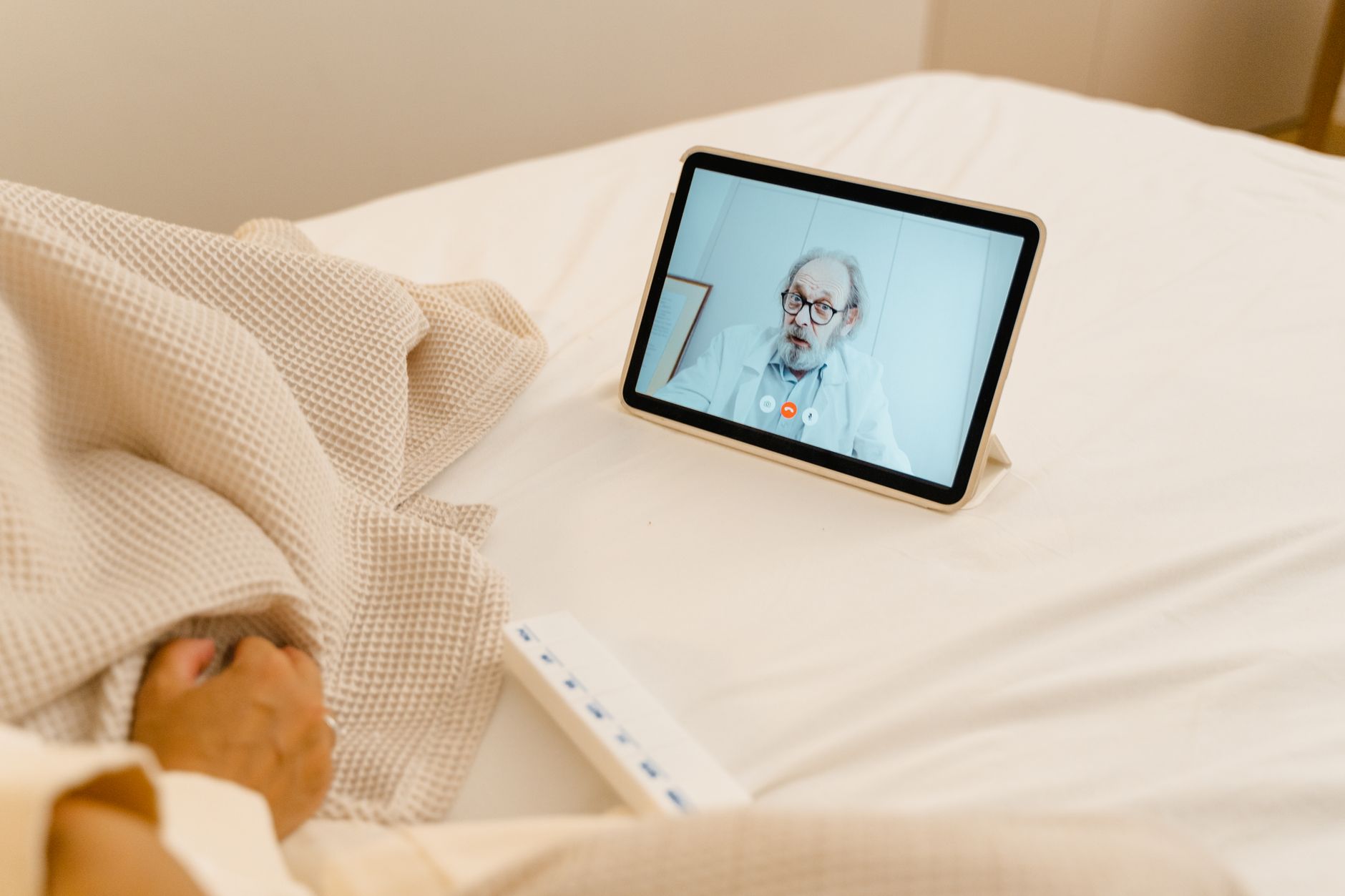

The moment a UK patient boards the return flight home is also the moment many overseas clinics quietly lose them — to anxiety, unanswered questions, and the suspicion that they are now entirely on their own. Building a structured, documented aftercare pathway does not just protect patient safety; it is one of the most powerful trust signals a clinic can place in front of a prospective UK patient who is still deciding whether to book.
Why Aftercare Is a Marketing Asset, Not Just a Clinical Obligation
Aftercare pathways directly influence whether UK patients recommend your clinic to friends and family, leave a five-star review, or return for a subsequent procedure. When a prospective patient reads through your website or speaks to a patient coordinator, the quality of your post-treatment plan is one of the first things they evaluate — often before price or even clinical credentials. A clinic that can articulate exactly what happens after the patient lands back in the UK signals competence, professionalism, and genuine care.
UK patients are accustomed to a structured relationship with the NHS, which provides follow-up appointments, GP referrals, and clear escalation routes. When they travel abroad, they implicitly compare your aftercare offer against that benchmark. Clinics that acknowledge this and bridge the gap win significantly more bookings than those that treat post-discharge communication as an afterthought.
Understanding the full decision-making journey is essential context here. Our guide on how overseas clinics win UK patients: decision factors shows that aftercare assurance consistently appears among the top reasons patients choose — or reject — a clinic abroad.
What Does a Structured Aftercare Pathway Actually Include?
A robust aftercare pathway for UK patients covers several distinct phases, each with its own communication touchpoints, clinical responsibilities, and escalation protocols. The following components are considered best practice across internationally accredited facilities.
Pre-Departure Briefing
Before the patient leaves your clinic, they should receive a written summary of their procedure, a list of warning signs that require urgent attention, medication instructions in plain English, and emergency contact details for both your clinic and a UK-based point of contact. This documentation should be provided digitally so the patient can share it immediately with their GP.
The 24–72-Hour Check-In
The first days after returning home are when patient anxiety peaks. An automated yet personalised message — via WhatsApp, email, or a dedicated patient portal — asking how the patient is feeling and reminding them of their recovery milestones can dramatically reduce dropout from your aftercare programme. Clinics using AI-powered follow-up tools can deliver this consistently at scale without adding headcount. Our resource on WhatsApp AI follow-up for winning UK patient bookings explains how automation can be deployed sensitively for post-treatment communication.
Structured Remote Consultations
Scheduled video consultations at agreed intervals — commonly at one week, one month, and three months post-procedure — give patients a formal opportunity to raise concerns and give clinicians visibility of recovery progress. These sessions should be calendar-blocked before the patient departs, not left as a vague promise. Confirmed appointments increase the perceived reliability of your aftercare offer enormously.
GP Liaison Documentation
Many UK patients worry their GP will not know how to manage complications from a procedure performed abroad. Providing a GP-ready clinical summary — written in the format UK practitioners expect — solves this problem before it arises. Clinics that offer this demonstrate a level of cross-border clinical maturity that very few competitors can match.
How Should Clinics Communicate Aftercare to Prospective Patients?
Aftercare pathways should be communicated clearly, early, and repeatedly throughout the patient acquisition funnel — not tucked away in small print at the point of consent. The most effective clinics weave aftercare messaging into every stage of their marketing and sales process.
- Website: Dedicate a standalone page or section to your aftercare programme, with specific details rather than generic assurances.
- Treatment packages: Bundle aftercare into the package description so patients see it as an included value, not an extra. Our guide to treatment packaging that wins UK medical tourists covers how to structure this compellingly.
- Initial enquiry response: Reference aftercare during the first conversation or automated response so patients feel reassured from the outset.
- Patient testimonials: Encourage returning patients to comment specifically on their aftercare experience, since social proof about post-treatment support is unusually persuasive.
- Consultation calls: Train patient coordinators to walk prospects through the aftercare pathway step by step, answering questions about what happens if something goes wrong.
Does Accreditation Strengthen Your Aftercare Credibility?
Yes — international accreditation provides an independent, verifiable endorsement of your aftercare standards that marketing copy alone cannot replicate. Bodies such as Joint Commission International (JCI) assess aftercare protocols as part of their evaluation criteria, meaning a JCI-accredited clinic has had its post-discharge processes reviewed by external auditors. For UK patients who are unfamiliar with your clinic’s reputation, this third-party validation carries significant weight.
ISO certifications related to quality management similarly signal that your processes — including aftercare — are documented, repeatable, and subject to ongoing review. When you reference accreditation in your marketing materials, always connect it explicitly to what it means for the patient’s experience, rather than displaying a logo without context.
Managing Complications and Escalation: Setting Honest Expectations
One of the greatest fears UK patients have about seeking treatment abroad is the question of what happens if something goes wrong after they return home. Clinics that address this fear honestly — rather than glossing over it — build more trust than those that project an unrealistic image of complication-free outcomes.
Your aftercare documentation should include a clear, written escalation protocol:
- Who the patient should contact first (your clinic’s aftercare line).
- Under what circumstances they should attend an NHS urgent treatment centre or A&E.
- How your clinical team will liaise with UK practitioners if intervention is needed.
- What financial responsibility, if any, your clinic accepts for revision or complication management.
This level of transparency is increasingly expected by UK patients, who have become sophisticated consumers of health information. Research published on PubMed (NCBI) consistently shows that perceived provider transparency is among the strongest drivers of patient satisfaction and trust in cross-border healthcare settings.
For clinics managing a growing volume of UK enquiries, building a reliable aftercare infrastructure is closely tied to the broader challenge of building a predictable pipeline. Our guide on how overseas clinics build a predictable UK patient pipeline explores how aftercare feeds into long-term patient lifetime value.
How Aftercare Pathways Feed Review Generation and Referrals
A structured aftercare programme does not end at the three-month video consultation. The final phase of the pathway is an invitation — delivered at the right moment, when the patient is recovered and satisfied — to share their experience publicly and refer friends or family.
Timing matters enormously here. A patient who receives a review request on the day they arrive home, still uncomfortable and exhausted from travel, is far less likely to leave a positive review than one who receives the same request six weeks later, after a smooth recovery supported by attentive follow-up. Automating this timing through your CRM or patient management platform ensures consistency without manual effort.
Referral programmes should also be formalised. UK patients who have had a positive experience are genuinely motivated to share it — particularly in online communities, forums, and social groups dedicated to medical tourism. Providing them with simple referral tools, a personal discount code, or a modest incentive makes the act of recommending your clinic frictionless.
Effective review management sits at the heart of this effort. The article on clinic review management to win UK patients online provides a detailed framework for turning aftercare satisfaction into visible social proof.
Key Takeaways
- A structured aftercare pathway — covering pre-departure briefing, remote check-ins, video consultations, and GP liaison documentation — is both a clinical necessity and a powerful marketing differentiator for clinics targeting UK patients.
- Communicating your aftercare programme clearly throughout the patient acquisition funnel, including within treatment packages and initial enquiry responses, directly increases conversion rates.
- International accreditation (JCI, ISO) provides independent validation of your aftercare standards, which carries significant credibility with UK patients unfamiliar with your clinic.
- A well-executed aftercare pathway drives reviews, referrals, and repeat bookings — making it one of the highest-return investments a clinic can make in UK patient acquisition.
Frequently Asked Questions
What should a clinic’s aftercare pathway include for UK patients?
An effective aftercare pathway should include a pre-departure written summary of the procedure and recovery instructions, a scheduled 24–72-hour check-in, remote video consultations at regular intervals, and a GP-ready clinical summary the patient can share with their UK doctor. Clear escalation protocols — explaining what to do if complications arise — are equally important for building trust with UK patients who are accustomed to structured NHS follow-up.
How can clinics use aftercare to increase UK patient bookings?
Clinics should present their aftercare programme prominently throughout the patient journey — on the website, within treatment package descriptions, during initial consultations, and in testimonials. Prospective UK patients evaluate aftercare quality before booking, so a clearly articulated, step-by-step post-treatment plan often makes the difference between a patient choosing your clinic over a competitor. Positioning aftercare as an included service rather than an optional add-on is particularly effective.
Does JCI or ISO accreditation improve aftercare credibility with UK patients?
Yes, significantly. JCI accreditation in particular evaluates post-discharge protocols as part of its assessment criteria, so accredited clinics have had their aftercare processes independently audited. UK patients who are unfamiliar with a clinic’s reputation use accreditation badges as a proxy for quality and safety. Always connect accreditation to specific patient benefits — such as documented aftercare standards — rather than displaying logos without explanation.
How should a clinic handle complications that arise after a UK patient returns home?
Clinics should provide all patients with a written escalation protocol before departure, explaining when to contact the clinic’s aftercare team, when to attend an NHS urgent care facility, and how the clinic will liaise with UK practitioners if further intervention is required. Addressing the possibility of complications honestly — rather than avoiding the topic — builds more trust than projecting an unrealistically complication-free image, and is increasingly expected by well-informed UK medical tourists.
If you would like an expert review of your current aftercare pathway and how it compares to what UK patients expect, request your free UK patient acquisition audit from CareNova — no obligation, and no cost.