Aftercare Pathways That Reassure UK Patients Abroad
For a UK patient considering treatment abroad, the question they are most afraid to ask out loud is: “What happens if something goes wrong after I fly home?” Clinics that answer this question proactively — before it is even raised — do not just reassure patients; they remove the single biggest psychological barrier to booking. A well-designed aftercare pathway is not an administrative footnote; it is one of the most persuasive marketing assets your clinic can own.
Why Aftercare Is the Make-or-Break Moment in UK Patient Acquisition
UK patients are accustomed to the NHS safety net — a system where, however imperfect, a GP or A&E department is always available after a procedure. When they consider travelling abroad for treatment, the perceived absence of that safety net is the dominant concern. Addressing aftercare directly in your marketing, your consultations and your patient communications signals that you understand this anxiety and have planned for it.
Clinics that treat aftercare as an afterthought tend to see the same patterns: high enquiry volumes that fail to convert, patients who go quiet after receiving a quote, and poor review scores citing “no follow-up.” If you have noticed similar patterns in your own pipeline, the reasons clinics fail to attract UK patients often trace back to gaps in post-treatment communication rather than the quality of the procedure itself.
What Does a Reassuring Aftercare Pathway Actually Look Like?
A structured aftercare pathway is a documented, repeatable sequence of touchpoints that begins the moment a patient’s treatment ends and continues until they are clinically discharged — typically weeks or months later. It is not a single follow-up call; it is a programme. The most effective pathways for UK patients include the following components:
- Pre-departure briefing: A face-to-face or video session before the patient leaves your clinic, covering wound care, medication schedules, warning signs to watch for, and clear emergency contact details.
- Written discharge summary: A formal document in plain English that the patient can share with their UK GP. This demonstrates clinical rigour and bridges the gap between your clinic and the NHS. The NHS encourages patients returning from overseas treatment to register their procedure with their GP; making this easy for them earns immediate trust.
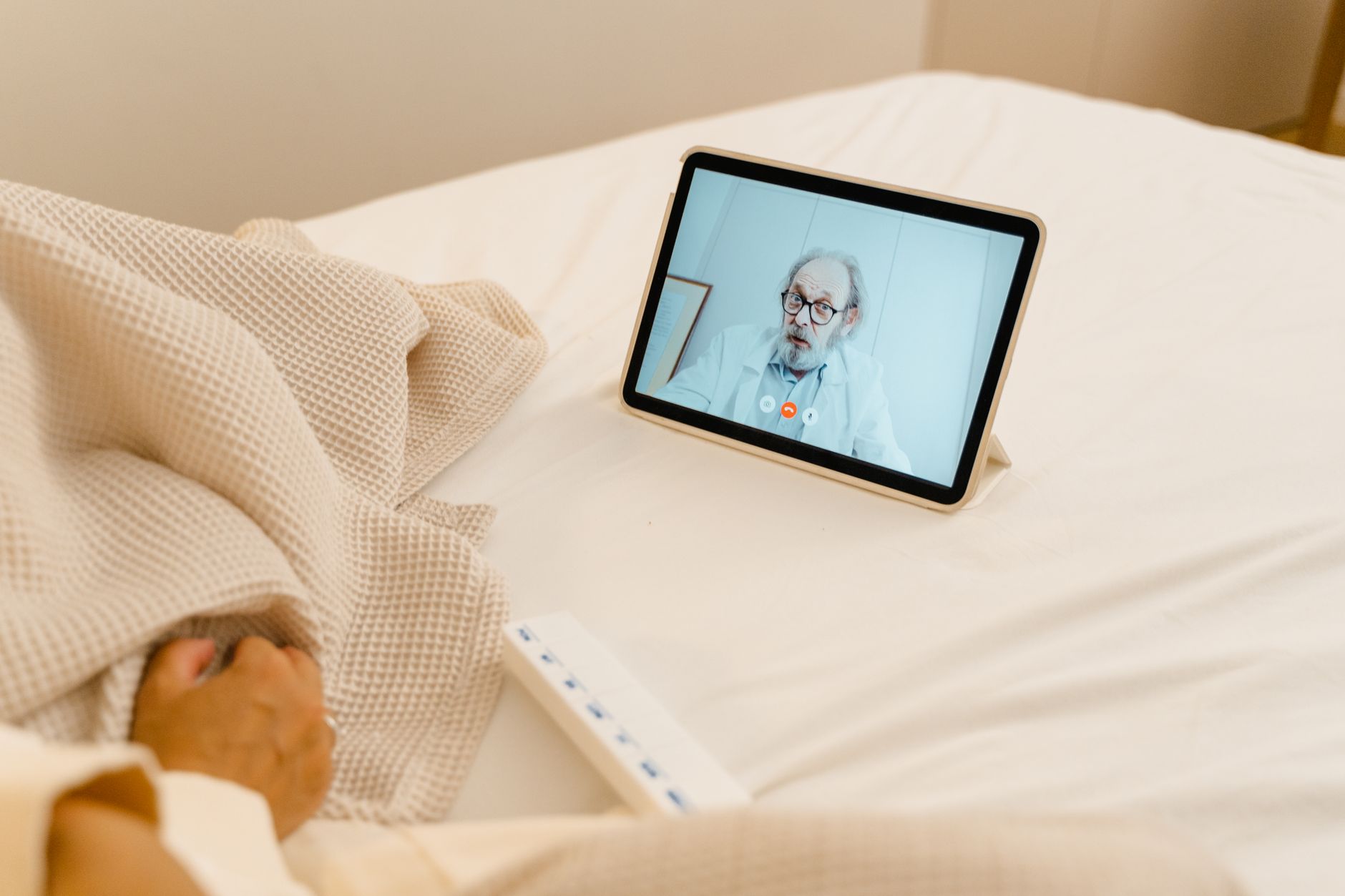
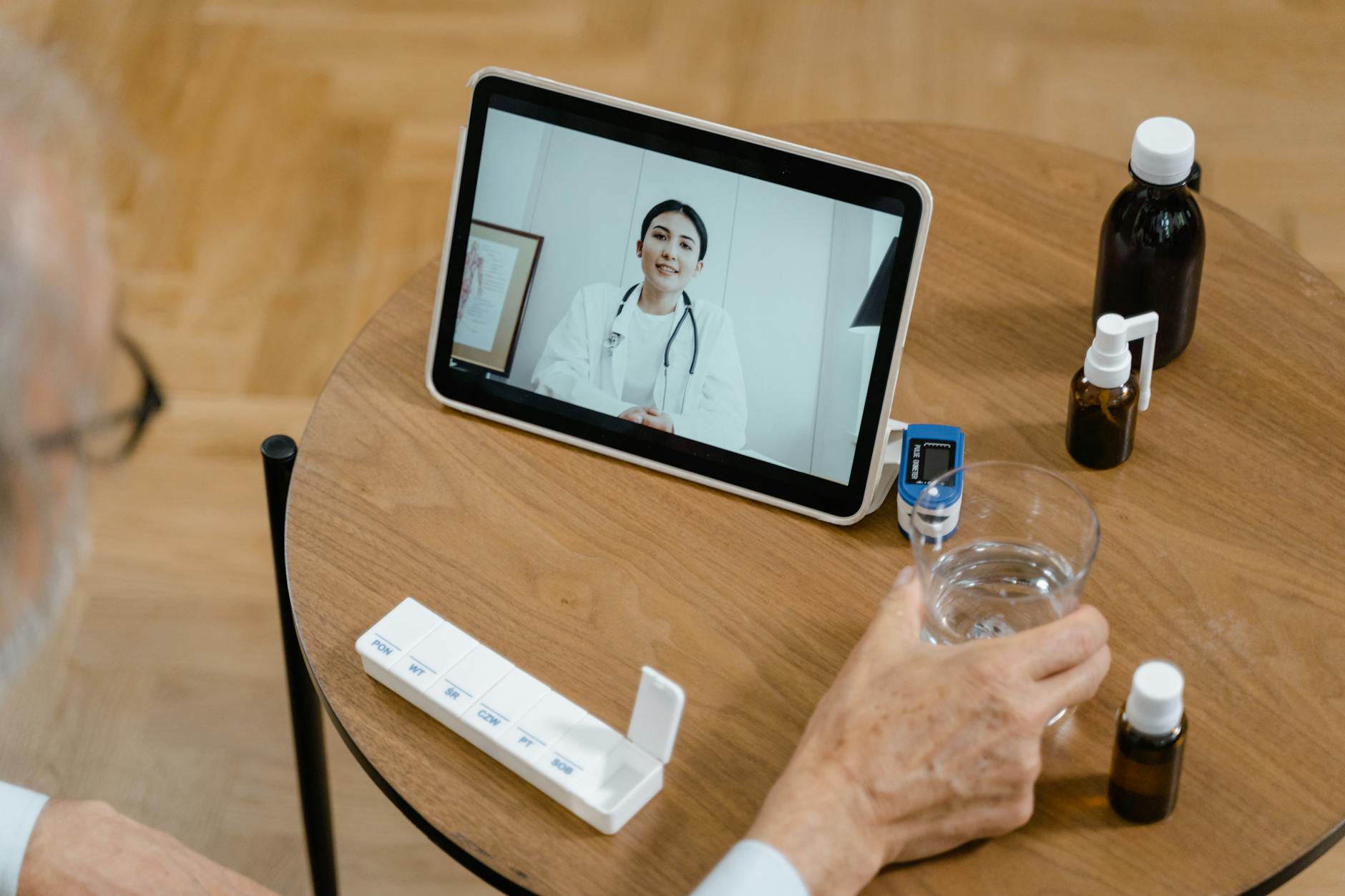
- Scheduled remote check-ins: Structured video or phone consultations at 48 hours, one week, two weeks and one month post-treatment. These should be in the diary before the patient boards their flight.
- Asynchronous messaging channel: A dedicated WhatsApp or patient-portal thread where patients can send photos of healing progress and receive a clinical response within a defined window — ideally within four hours during working hours.
- Escalation protocol: A written procedure that explains exactly what happens if a complication arises. This should name a point of contact, describe response times, and clarify the financial and logistical responsibilities of each party.
- Long-term satisfaction check: A structured touchpoint at three or six months that combines a clinical review with an invitation to share a testimonial or referral, turning a satisfied patient into an advocate.
How Do Aftercare Pathways Function as a Marketing Asset?
Aftercare pathways become a marketing asset the moment you make them visible — not hidden in a terms-and-conditions document, but prominently featured in your website content, your consultation materials and your social proof. Here is how to translate a clinical programme into patient-acquisition value.
Make Your Pathway Tangible Before Booking
Publish a dedicated aftercare page or section on your website that describes each stage of the pathway in plain language. Include a visual timeline graphic if possible. Patients researching treatment online will spend significant time on this page; it answers their fear directly. Understanding what UK patients look for before choosing a clinic abroad reveals that post-treatment support consistently ranks among their top concerns, alongside accreditation and transparent pricing.
Use Patient Testimonials That Specifically Mention Aftercare
Generic five-star reviews are useful but not decisive. Testimonials that specifically describe a remote check-in call, a prompt response to a concern, or a GP letter that impressed their family doctor carry disproportionate persuasive weight. When requesting reviews, prompt patients with specific questions about their post-treatment experience rather than asking for a general rating.
Reference Aftercare in Every Consultation
Train your patient coordinators to introduce the aftercare pathway during the very first consultation — not as a closing argument, but as a natural part of explaining what the patient journey looks like. This reframes the conversation from “we do procedures” to “we manage outcomes.”
The Role of Technology in Delivering Scalable Aftercare
Manual follow-up is resource-intensive and inconsistent. As your international patient volume grows, human-only aftercare programmes begin to develop gaps — missed check-in calls, delayed message responses, forgotten milestone touchpoints. Technology closes these gaps without sacrificing the personal quality of communication that UK patients expect.
AI-assisted messaging tools can trigger scheduled check-in messages automatically, flag patient responses that suggest clinical concern for immediate human review, and log every interaction in a centralised record. This is precisely the application described in our guide to AI-powered WhatsApp marketing for converting health leads — the same infrastructure that nurtures pre-booking enquiries can be repurposed to manage post-booking aftercare communications.
Video consultation platforms with secure record-keeping also strengthen your clinical credibility. When a patient can share a recorded video consultation with their UK GP, your clinic moves from being perceived as a foreign provider to being a documented part of a continuous care record. Research published on PubMed (NCBI) consistently supports the clinical effectiveness of structured remote follow-up in post-procedural care, lending evidence-based weight to this investment.
Compliance and Advertising Standards: What Clinics Must Know
When marketing aftercare services to UK audiences, you must comply with the UK Advertising Standards Authority (ASA) and the CAP Code, which governs digital and direct marketing. Claims about aftercare must be accurate, substantiated and not misleading. Specific rules apply to medical and health claims: you cannot promise outcomes, and you must not imply that your aftercare replaces the patient’s relationship with their UK healthcare provider.
Practically, this means avoiding language such as “guaranteed recovery” or “full support for any complication” unless you can demonstrate exactly what that support entails. Instead, describe your pathway factually: the number of scheduled check-ins, the response-time commitment for messages, and the clinical qualifications of the staff conducting remote reviews. The General Medical Council (GMC) also publishes guidance relevant to practitioners who communicate with UK patients, and aligning your materials with GMC standards signals professional credibility to a British audience.
For a broader view of how your digital marketing content should be structured to meet both regulatory standards and search-engine quality criteria, the principles outlined in our article on building trust with UK patients before they ever book are directly applicable here.
Integrating Aftercare Into Your Full Patient Journey Strategy
Aftercare does not exist in isolation — it is the final and often most memorable stage of a journey that begins with a Google search and ends with a healed, satisfied patient who refers their friends. Clinics that map this journey end-to-end and deploy technology at each stage consistently outperform those that optimise only for acquisition. The full picture — from first digital touchpoint through to post-treatment advocacy — is covered in our guide to how AI optimises every stage of the patient journey.
When aftercare is genuinely strong, it also transforms your search presence. Detailed, authentic patient reviews that describe follow-up care contribute to the Experience, Expertise, Authoritativeness and Trustworthiness (E-E-A-T) signals that Google uses to rank health content. In the YMYL (Your Money or Your Life) content category — which encompasses all medical and health topics — these signals are weighted heavily. A clinic with a documented aftercare programme, verifiable accreditation and genuine patient testimonials builds the kind of authoritative online profile that generates organic UK traffic sustainably.
Key Takeaways
- Aftercare is a trust signal, not a service add-on: Proactively communicating your post-treatment pathway removes the single biggest barrier preventing UK patients from booking treatment abroad.
- Structure and visibility matter equally: A pathway that exists but is not communicated before booking delivers little marketing value — publish it, reference it in consultations, and collect testimonials that specifically mention it.
- Technology enables consistency at scale: AI-assisted messaging and video consultation platforms allow you to deliver personalised, timely aftercare without exponential increases in staffing costs.
- Compliance with UK advertising rules protects your reputation: Factual, substantiated aftercare claims that align with ASA/CAP guidance and GMC standards build credibility with UK patients and avoid regulatory risk.
Frequently Asked Questions
What should a clinic include in an aftercare pathway for UK patients?
An effective aftercare pathway for UK patients should include a pre-departure briefing, a formal written discharge summary the patient can share with their NHS GP, scheduled remote consultations at defined intervals, a dedicated messaging channel with committed response times, and a documented escalation protocol for complications. The pathway should be communicated in writing before the patient travels, not only after treatment ends.
How can aftercare communications comply with UK advertising standards?
All marketing claims about aftercare must be factual and substantiated under the ASA CAP Code. Describe what your aftercare actually includes — specific check-in frequencies, response time commitments, and staff qualifications — rather than making outcome guarantees. Avoid language that implies your remote support replaces NHS care, as this may be considered misleading to a UK audience.
Can aftercare pathways improve a clinic’s online search rankings?
Yes, indirectly but meaningfully. Authentic patient reviews that describe positive aftercare experiences contribute to E-E-A-T signals that Google weighs heavily for health-related (YMYL) content. A clinic with documented, credible aftercare processes is more likely to generate detailed, trustworthy reviews that improve organic search visibility over time.
How do I use technology to manage aftercare for a growing volume of international patients?
AI-assisted messaging platforms can automate scheduled check-in prompts, flag responses that indicate potential complications for immediate clinical review, and maintain a full communication log. Combined with secure video consultation tools, this infrastructure allows a clinic to maintain consistent, high-quality aftercare across a large international patient base without proportionally increasing administrative staff.
If you would like to understand exactly where your current aftercare and patient journey strategy is losing UK patients, request your free UK patient acquisition audit from CareNova — a no-obligation review of your clinic’s end-to-end patient experience and digital presence.